AWS Market Share Analysis: Evolution and Competitive Landscape (2020-2025)
Executive Summary
This analysis examines Amazon Web Services (AWS) market share evolution from 2020 to 2025, comparing its position against key competitors Microsoft Azure and Google Cloud Platform (GCP). The report analyzes how AWS's strong financial performance—characterized by operating margin improvements from 30% to 38% and consistent 19% year-over-year revenue growth—correlates with its market share trends and competitive position.
1. Cloud Market Share Trends (2020-2025)
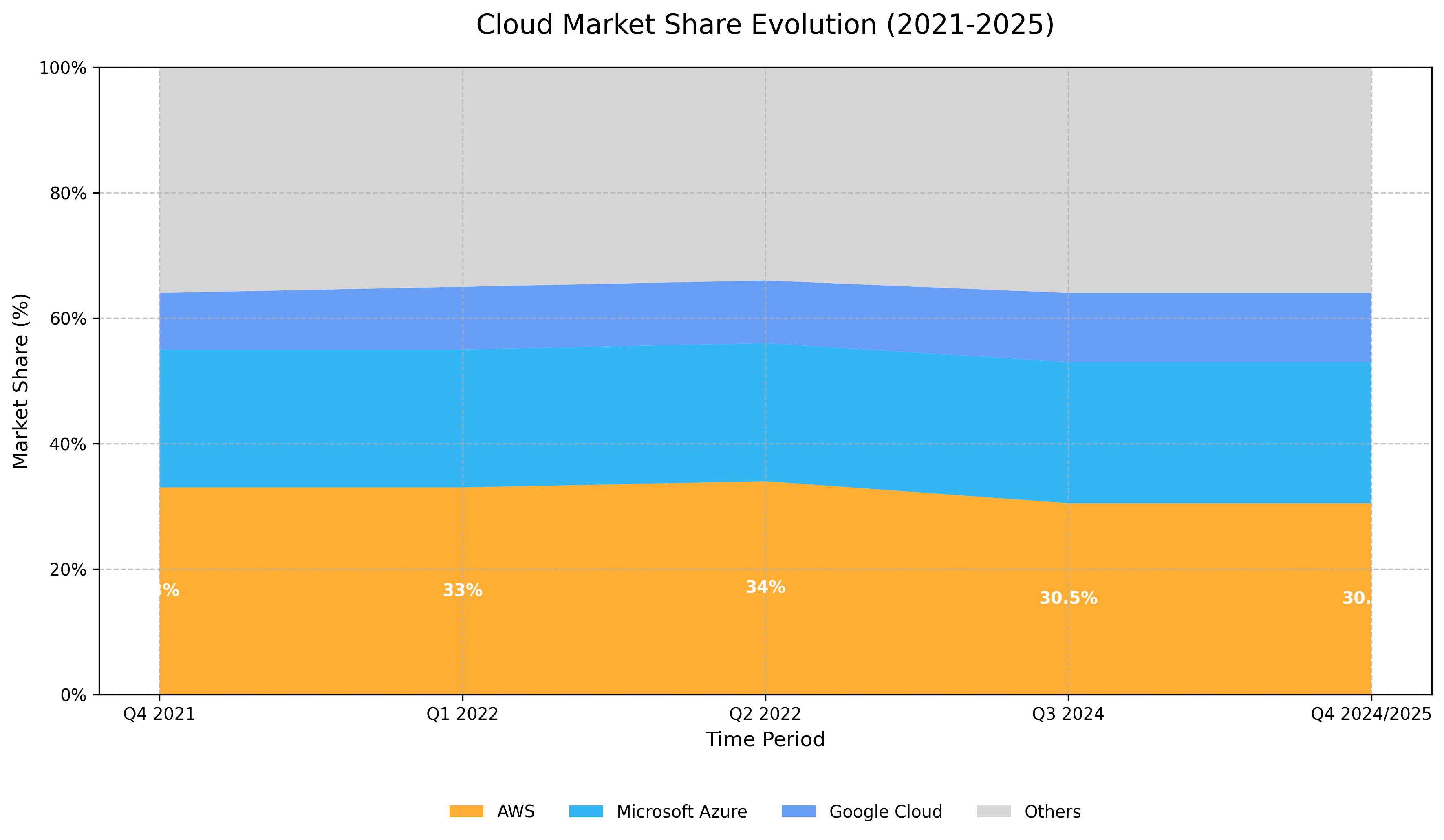
Figure 1: Cloud Market Share Evolution (2021-2025)
Market Share Percentages for Major Cloud Providers (2020-2025)
| Year/Quarter |
AWS |
Microsoft Azure |
Google Cloud |
Others |
| Q4 2021 |
33% |
22% |
9% |
36% |
| Q1 2022 |
33% |
22% |
10% |
35% |
| Q2 2022 |
34% |
22%+ |
10% |
34% |
| Q3 2024 |
30-31% |
20-25% |
10-12% |
32-40% |
| Q4 2024/2025 |
30-31% |
20-25% |
10-12% |
32-40% |
Note: Data compiled from multiple industry sources. Slight variations exist across different analyst reports.
Key Observations:
- AWS has maintained market leadership throughout the period, though its share has slightly decreased from 33-34% to 30-31%
- Microsoft Azure has maintained its second position with steady growth
- Google Cloud has shown modest growth from 9% to 10-12%
- The top three providers collectively control approximately 65-68% of the global cloud market
2. Cloud Market Financial Growth
Cloud Market Size and Growth (2020-2025)
| Year |
Global Cloud Market Size |
YoY Growth Rate |
| 2020 |
~$370 billion |
~29% |
| 2022 |
~$446.51 billion |
~22.9% |
| 2024 |
~$752.44 billion |
~22% |
| 2025 |
~$912.77 billion (proj.) |
~21.2% (proj.) |
Key Growth Indicators:
- The cloud infrastructure services market generated $90 billion in revenue in Q4 2024
- Overall market grew by 22% year-over-year
- Enterprise spending on cloud infrastructure increased by 23% in Q3 2024
- The market is projected to potentially exceed $1 trillion in the near future
3. AWS Financial Performance
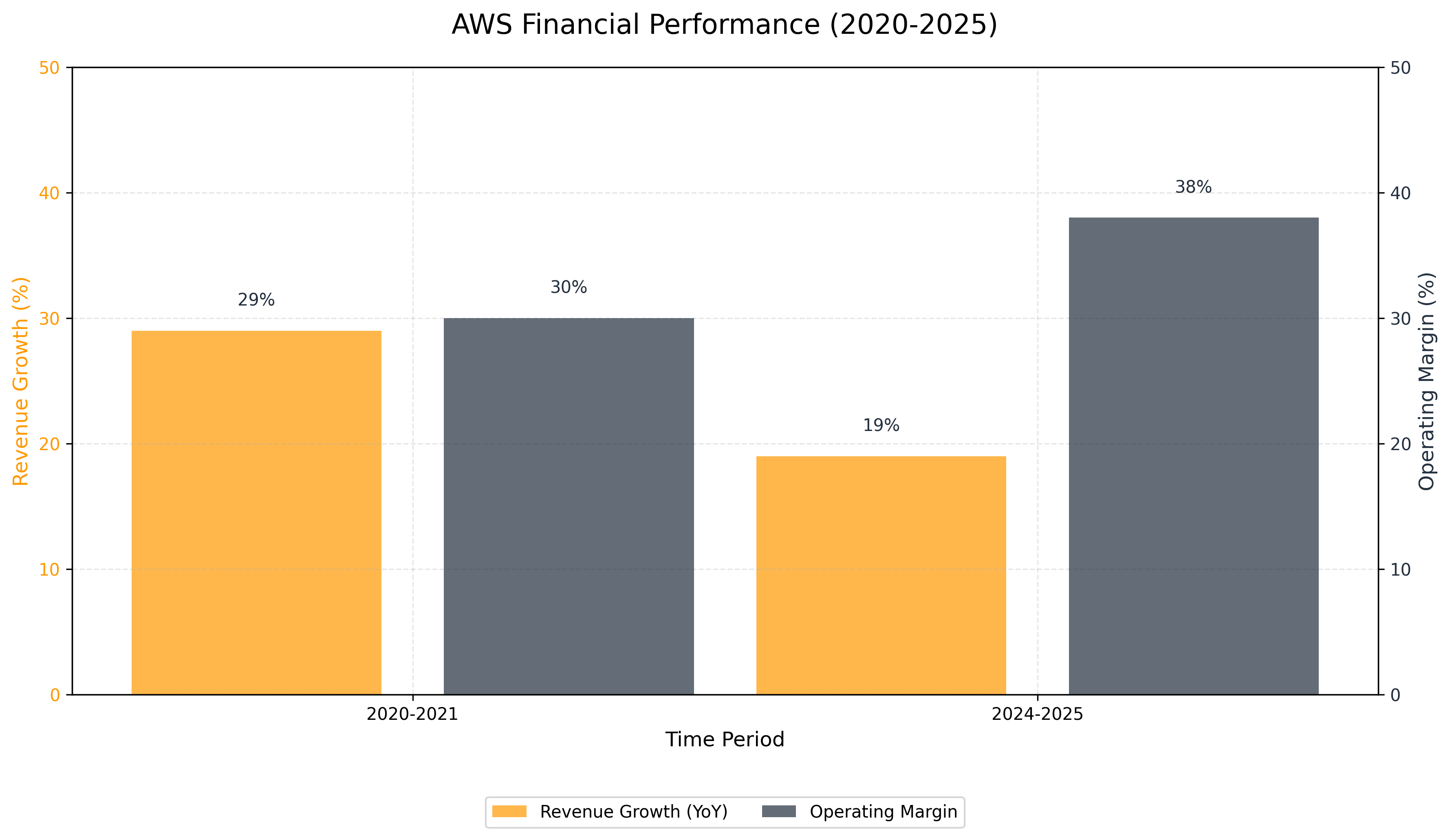
Figure 2: AWS Financial Performance (2020-2025)
AWS Financial Performance (2020-2025)
| Metric |
2020-2021 |
2024-2025 |
Change |
| Revenue Growth (YoY) |
~29% |
19% |
-10% |
| Operating Margin |
~30% |
38% |
+8% |
| Revenue Contribution |
~16% of Amazon |
17% of Amazon |
+1% |
| Q4 2025 Revenue |
- |
$28.8 billion |
- |
| Q4 2025 Op. Income |
- |
$21.2 billion |
- |
Financial Performance Highlights:
- AWS has improved operating margins from approximately 30% to 38% (highest in at least a decade)
- Revenue growth has moderated from 29% to 19% year-over-year
- Operating income surged 48% year-over-year to $10.6 billion
- AWS remains a critical profit driver for Amazon, contributing 17% of total revenue
4. Key Inflection Points in Market Share Changes
4.1 Competitive Dynamics
- 2020-2021: AWS maintained dominant position with 33-34% market share
- 2022-2023: Increased competition from Microsoft Azure with its 46% annual growth rate
- 2023-2024: Slight market share erosion for AWS despite strong financial performance
- 2024-2025: Stabilization around 30-31% market share with focus on profitability
4.2 Strategic Shifts
- AWS's pivot to higher-margin services and operational efficiency
- Increased focus on AI and machine learning capabilities
- Development of industry-specific cloud solutions
- Expansion of global infrastructure and availability zones
5. Factors Driving Market Share Changes
5.1 Pricing Strategies
- Azure gaining market share through competitive pricing options
- AWS focusing on value-added services to justify premium pricing
- Flexible pricing models becoming key differentiators in the market
5.2 Service Offerings
- Continuous innovation in cloud services across all providers
- AWS's comprehensive service ecosystem (200+ services)
- Specialization in specific workloads (e.g., Google Cloud's strength in data warehousing)
- Integration of AI capabilities into core offerings
5.3 Regional Expansion
- AWS's extensive global infrastructure with more availability zones
- Increased competition in emerging markets
- Regulatory compliance capabilities across different regions
5.4 Industry-Specific Solutions
- Development of vertical-specific cloud offerings
- Enhanced security and compliance features
- Tailored solutions for healthcare, finance, and government sectors
6. Correlation Between Financial Performance and Market Share
AWS's financial performance shows an interesting correlation with its market share trends:
- Profitability Focus: AWS has prioritized profitability (38% operating margins) over market share growth, allowing competitors to gain some ground
- Revenue Quality: Despite slower revenue growth (19% YoY), AWS has maintained strong margins through:
- Higher-value service offerings
- Operational efficiencies
- Strategic customer selection
- Sustainable Leadership: The focus on profitability provides AWS with resources to invest in innovation while maintaining market leadership
- Value Creation: AWS continues to be Amazon's profit engine, generating substantial cash flow for further investments
7. Competitive Threats and Opportunities for AWS
7.1 Threats
- Microsoft Azure's rapid growth and enterprise relationships
- Google Cloud's AI capabilities and data analytics strengths
- Increasing regulatory scrutiny and compliance requirements
- Rising competition in specialized cloud services
- Multi-cloud adoption reducing vendor lock-in
7.2 Opportunities
- AI and machine learning service expansion
- Edge computing and IoT integration
- Industry-specific cloud solutions
- Sustainability-focused cloud offerings
- Strategic acquisitions to enhance capabilities
8. Conclusion
AWS maintains its position as the cloud market leader with approximately 30-31% market share in 2025, despite increased competition from Microsoft Azure and Google Cloud. The company's strategic shift toward profitability—evidenced by improved operating margins from 30% to 38%—has allowed it to generate substantial cash flow while slightly sacrificing market share growth.
The overall cloud computing market continues to expand rapidly, projected to reach $912.77 billion by 2025, providing ample growth opportunities for all major providers. AWS's focus on innovation, comprehensive service offerings, and global infrastructure positions it well to maintain its leadership position, though it will face continued pressure from competitors.
The correlation between AWS's financial performance and market share trends suggests a deliberate strategy of prioritizing high-margin services and operational efficiency over aggressive market share expansion. This approach appears sustainable in the near term but may require adjustment if competitors continue to gain ground.